Introduction: Why Mannacote Is the Ultimate Comfort Pasta
When it comes to comfort food, few dishes can rival the heartwarming allure of stuffed pasta. Among them, Mannacote stands out as a true delight. This delectable dish not only satisfies your hunger but also warms the soul with every bite. Whether you’re snuggled up on the couch or hosting an elegant dinner party, Mannacote is versatile enough to shine in any setting.
But what exactly makes this pasta so special? Perhaps it’s the combination of al dente noodles cradling rich fillings and savory sauces that creates a symphony of flavor in each forkful. Or maybe it’s the nostalgia associated with enjoying a homemade meal shared among family and friends.
In this blog post, we’ll take you on an exciting journey through everything you need to know about Mannacote—its history, ingredients, cooking techniques, and even some creative twists that will make your taste buds sing! Get ready to unlock the secrets behind perfecting Mannacote—this stuffed pasta may just become your new favorite dish!
What Exactly Is Mannacote? (And Why Everyone Loves It)
Mannacote is a delightful stuffed pasta that hails from the rich traditions of Italian cuisine. Its unique shape resembles that of manicotti but comes with distinct characteristics, making it a favorite among pasta lovers. Typically made from thin sheets of dough, mannacote is filled generously and baked to perfection.
What sets mannacote apart is its versatility. You can fill it with an array of ingredients, ranging from creamy ricotta cheese to savory meats or fresh vegetables. The possibilities are endless, allowing for customized flavors that cater to every palate.
People adore mannacote not only for its taste but also for its comforting nature. The combination of tender pasta enveloping hearty fillings creates a dish that’s perfect for gatherings or cozy family dinners. Each bite offers warmth and satisfaction—truly embodying the essence of comfort food.
The Real Difference Between Mannacote and Manicotti
Mannacote and manicotti are often confused, but they have distinct characteristics that set them apart. Mannacote typically features a slightly thicker pasta shell compared to the delicate casing of manicotti. This thickness allows for more hearty fillings and enhances its ability to hold onto sauces.
While both dishes involve stuffing pasta with a variety of ingredients, mannacote is usually rolled into a cylindrical shape, resembling lasagna rolled up with filling inside. Manicotti, on the other hand, is tubular and generally larger in diameter, making it easier to fill but less versatile regarding shaping.
The cooking methods also differ; although both can be baked or boiled, mannacote’s sturdier design makes it ideal for baking without risk of tearing. The choice between these two delightful stuffed pastas often comes down to personal preference regarding texture and presentation.
A Short History of Stuffed Pasta in Italian Cuisine
Stuffed pasta has deep roots in Italian culinary traditions, dating back to the Middle Ages. The earliest references can be traced to regions like Emilia-Romagna and Campania, where fresh dough was skillfully filled with various ingredients. These early iterations paved the way for beloved dishes we cherish today.
As time progressed, stuffed pasta gained popularity across Italy. Different regions began to develop their own unique variations, influenced by local ingredients and customs. For example, ravioli became a staple in northern Italy, while southern regions favored larger shapes like manicotti.
The introduction of tomato sauce in the 18th century further elevated stuffed pasta’s status. This vibrant sauce transformed simple fillings into mouthwatering meals that delighted taste buds throughout generations. Today, dishes such as Mannacote continue this legacy of creativity and flavor within Italian cuisine.
Ingredients That Make Mannacote Truly Perfect
The foundation of perfect mannacote begins with the pasta itself. Use high-quality, fresh pasta sheets for a rich texture that holds up to stuffing and baking. When choosing your sheets, opt for those made from durum wheat semolina; they provide an ideal balance between firmness and tenderness.
Next comes the filling. Classic ricotta cheese is a staple, but combining it with other ingredients can elevate the dish. Consider adding sautéed spinach, grated Parmesan, or even some ground meat for added richness and flavor complexity.
Don’t forget about seasoning! Fresh herbs like basil and parsley can brighten up the filling while spices such as nutmeg add warmth. A pinch of salt enhances all these flavors beautifully before encasing them in your delicious pasta shells ready for sauce and baking.
The Best Fillings for Mannacote (From Classic to Creative)
When it comes to filling your mannacote, the options are virtually limitless. Classic ricotta and spinach is a timeless choice, combining creamy cheese with the earthy flavor of fresh greens. Add some grated Parmesan for an extra umami kick. This traditional combination never disappoints.
For those looking to venture beyond the classics, consider a blend of ground meat—like beef or sausage—with marinara sauce and herbs. This hearty filling not only adds protein but also infuses rich flavors that elevate each bite. Don’t shy away from experimenting; you can even mix in vegetables like mushrooms or bell peppers for added texture.
If you’re feeling adventurous, try stuffing your mannacote with roasted butternut squash and goat cheese. The sweetness of the squash pairs beautifully with tangy goat cheese, resulting in a unique flavor profile that stands out on any dinner table. Creative fillings can truly transform this dish into something extraordinary.
Step-by-Step: How to Make Mannacote Like a Pro
Making mannacote is easier than you might think. Start by preparing your pasta sheets according to package instructions. It’s essential that they are al dente, as they’ll continue cooking in the oven. Lay them out flat on a clean surface.
Next, prepare your filling of choice—be it ricotta, spinach, or even a meat mixture. Place a generous spoonful onto one end of each pasta sheet and roll it up tightly into a cylinder. Ensure there’s enough filling but not so much that it spills out.
Arrange the stuffed mannacote in a baking dish with sauce at the bottom to prevent sticking. Cover with more sauce and sprinkle cheese on top for added flavor and texture before baking until golden brown and bubbly. Enjoy the aroma wafting through your kitchen!
Sauce Matters: Choosing the Right Sauce for Mannacote
Choosing the right sauce for your mannacote can elevate this stuffed pasta dish to new heights. A classic marinara provides a tangy, tomato-based flavor that perfectly complements the richness of the filling. Its acidity cuts through creamy or meaty ingredients, creating a balanced bite.
For those seeking something unique, consider béchamel or Alfredo sauces. These creamy options add an indulgent touch and are particularly delightful when paired with spinach and ricotta fillings. The smooth texture enhances each forkful and creates a comforting experience.
If you prefer something with a bit more kick, opt for arrabbiata or pesto sauces. Arrabbiata brings heat from red pepper flakes, while pesto offers fresh basil notes that brighten up heavier fillings like sausage or mushrooms. Each sauce choice can transform your mannacote into an unforgettable meal tailored to any palate.
How to Get That Golden, Crispy, Restaurant-Style Top
Achieving that golden, crispy top on your mannacote is all about technique. Start by preheating your oven to a high temperature, around 400°F (200°C). This ensures even cooking and helps the cheese melt beautifully while crisping up nicely.
Next, apply a generous layer of shredded cheese on top before baking. Opt for cheeses like mozzarella or provolone for their melting qualities. For an extra crunch, sprinkle some breadcrumbs mixed with olive oil over the cheese layer. This adds texture and enhances flavor.
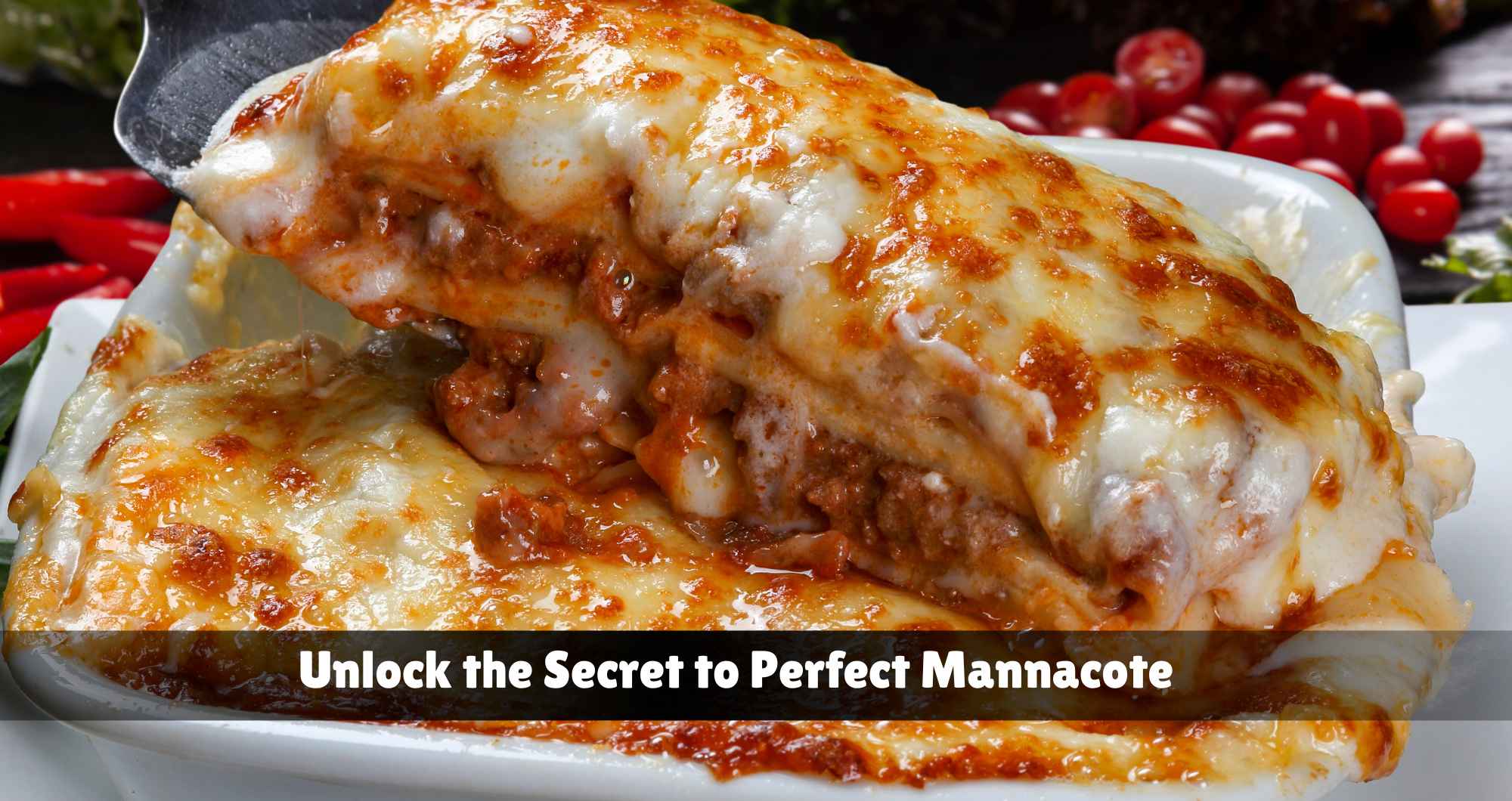
Broil your dish for the final few minutes of cooking. Keep a close eye as it can quickly go from perfect to burnt! The combination of heat from below and above will create that irresistible golden crust reminiscent of restaurant-style mannacote you crave at home.
Common Mannacote Mistakes (And How to Avoid Them)
One common mistake when making mannacote is overstuffing. While it can be tempting to pack in as much filling as possible, this can lead to a messy dish and undercooked pasta. Aim for a balanced amount of filling that allows the edges to seal properly.
Another frequent error is neglecting to cook the pasta al dente before stuffing. If you boil the pasta too long, it may fall apart during assembly or baking. A quick parboil ensures your mannacote will hold its shape while still allowing enough time in the oven for flavor development.
Skipping sauce layering can result in dry mannacote. Always spread some sauce on the bottom of your baking dish and drizzle more on top before covering with cheese. This keeps everything moist and enhances flavor throughout each bite.
Baked vs Boiled Mannacote: Which Is Better?
When it comes to preparing mannacote, the choice between baking and boiling can significantly impact the dish’s texture and flavor. Boiled mannacote retains a softer consistency, allowing for quicker cooking and easier filling. This method ensures that the pasta is tender, making each bite melt in your mouth.
On the other hand, baked mannacote offers a delightful contrast with its golden-brown top layer. Baking allows for flavors to intensify as ingredients meld together in the oven’s heat. The edges become crisp while keeping the inside warm and gooey — an irresistible combination.
Personal preference plays a crucial role here. Some may relish the delicate nature of boiled pasta, while others might favor that satisfying crunch from baked options. Experimenting with both methods will help you discover which version resonates most with your taste buds.
Healthy & Diet-Friendly Mannacote Variations
Mannacote can be a delightful addition to a healthy diet with just a few simple tweaks. Start by opting for whole grain pasta or gluten-free alternatives, which add fiber and essential nutrients while keeping the dish satisfying. These options not only elevate the health factor but also bring unique flavors.
For the filling, consider using lean proteins like ground turkey or chicken combined with plenty of vegetables, such as spinach, zucchini, or mushrooms. This way, you increase the nutritional value without sacrificing taste. You can even experiment with plant-based proteins like lentils or chickpeas for a vegetarian twist.
When it comes to sauces, swap out heavy cream-based options for lighter choices like marinara made from fresh tomatoes and herbs. A drizzle of olive oil complements this well while providing heart-healthy fats. With these variations, Mannacote remains comforting yet nutritious!
Serving Ideas: What to Pair with Mannacote
Mannacote pairs beautifully with a variety of sides and accompaniments that enhance its rich flavors. A fresh green salad can balance the hearty pasta, adding crunch and acidity. Consider a simple arugula salad drizzled with balsamic vinaigrette for a refreshing contrast.
Garlic bread is another classic option that complements mannacote wonderfully. The buttery, crispy texture makes it perfect for soaking up any sauce left on your plate. You could also try serving it alongside some roasted vegetables to add color and nutrients to your meal.
For those looking to elevate their dining experience, consider offering a light antipasto platter before the main course. This could include marinated olives, artisanal cheeses, and cured meats—ideal for whetting appetites while setting the tone for an Italian feast centered around your delicious mannacote.
Storage, Freezing, and Reheating Tips
To properly store leftover mannacote, let it cool completely before transferring it to an airtight container. This helps maintain its texture and flavor. Store the container in the refrigerator for up to three days.
For longer storage, freezing is a great option. Wrap individual portions of mannacote tightly in plastic wrap or aluminum foil, then place them in a freezer-safe bag. It can last up to three months in the freezer without losing quality. Be sure to label your bags with dates for easy tracking.
When you’re ready to enjoy frozen mannacote, thaw it overnight in the refrigerator before reheating. You can reheat it either by baking at 350°F until heated through or microwaving on medium heat until warm. Adding a splash of sauce while reheating prevents dryness and enhances flavor.
Frequently Asked Questions About Mannacote
Mannacote is a delightful dish that raises many questions among pasta lovers. Here are some of the most frequently asked queries about this stuffed wonder.
With these insights into mannacote, you’re more equipped than ever to enjoy this deliciously versatile dish at home!