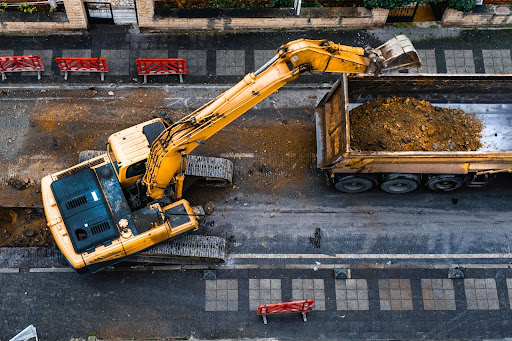
In the world of American construction and steel, cash is king, but liquidity is the actual ace up the sleeve. Every contractor knows the feeling of winning a massive bid only to realize the upfront costs for a new backhoe or a fleet of skid steers will leave the company bank account looking pretty thin. It is a classic catch-22 situation. You need the gear to do the work, but paying for the gear makes it hard to pay your crew while you wait for that first net-90 invoice to clear. This is precisely where construction equipment financing steps in to change the math for small business owners.
The Problem With Paying Out of Pocket
Let us be real for a second. Why would any sane owner drop $200,000 in cash on a single piece of machinery? Even if the business has the money sitting there, that cash is “lazy” once it is tied up in a depreciating asset. When you dump your liquid reserves into a hard asset, you lose your safety net. If a project gets delayed or a client is slow to pay, you cannot exactly pay your electricity bill with a fraction of a bulldozer.
By choosing construction equipment financing, you keep that capital in your pocket. This allows a business to maintain a healthy “burn rate” for daily operations. It keeps your doors open when the unexpected happens. Many builders find that a business equipment financing strategy is the difference between a year of growth and a year of just barely getting by.
Keeping the Lights on and the Crew Happy
Managing a construction site is mostly a game of managing people and materials. Payroll does not wait. Your guys expect their checks every Friday, and your suppliers want their money for lumber and concrete before the next delivery truck leaves the yard. If all your liquid cash is sitting in a new crane, you might find yourself scrambling.
Using an equipment financing option allows you to break that massive purchase price into bite-sized, predictable monthly payments. Instead of one giant hit to the ledger, you have a small, manageable line item. This keeps your working capital free for the things that actually keep the job site moving, like diesel fuel, insurance premiums, and keeping your best foreman from jumping ship to a competitor.
Predictability in an Unpredictable Industry
Weather happens. Supply chains break. Interest rates fluctuate. In an industry defined by variables, having a fixed expense is a massive relief. Most construction equipment financing agreements come with fixed rates. This means you know exactly what you owe for the next several years.
Well, think about how much easier it is to bid on a project when your overhead is a known quantity. When you utilize a business equipment financing option, you are essentially buying certainty. You do not have to worry about the rental market prices spiking or whether you can find the right machine available for lease when the ground thaws in the spring. You own the asset, you control the schedule, and your cash flow stays level.
The Tax Man and Your Bottom Line
One of the most overlooked perks of construction equipment financing is the tax benefit. In the United States, the Section 179 deduction is a total game changer for the business owner. It allows you to deduct the full purchase price of qualifying equipment in the year you buy it, even if you have only made a few months of payments.
So, you get the equipment today, you keep your cash in the bank, and you get a massive deduction on your tax return. It is almost like the government is subsidizing your growth. This immediate tax relief provides a secondary boost to your cash flow, giving you more “dry powder” to reinvest back into the company. It is a smart move that many savvy contractors use to scale their operations way faster than they could by saving up cash.
Growing Without the Growing Pains
Scaling a business is expensive. To get bigger jobs, you need more gear. But getting more gear often breaks the budget. It is a cycle that can be frustrating. However, construction equipment financing acts as a bridge. It allows you to acquire the latest technology, like machines that are more fuel-efficient and require less maintenance, without the initial sticker shock.
Actually, having the right business equipment financing in place can improve your debt-to-equity ratio over time. As the equipment generates revenue, it pays for itself. If a new excavator helps you finish a job two weeks early, the labor savings alone might cover your monthly financing payment. That is how you turn a liability into a true revenue-generating engine.
Conclusion
At the end of the day, you have to ask yourself: do I want to own my equipment, or do I want my equipment to own me? Tying up every cent you have in machinery is a risky way to run a railroad. The smartest operators in the country use construction equipment financing to keep their balance sheets lean and their operations mean.
Well, it comes down to leverage. Using an equipment financing option lets you leverage the bank’s money to build your empire while you keep your cash for the day-to-day grind. It provides the liquidity needed to handle the “gap” between finishing a project and getting paid. In a world where the guy with the most cash often wins the long game, preserving your capital is the most strategic move you can make.
So, if you are looking to grow your footprint this year, do not just look at the price tag of the gear. Look at the cash flow. Construction equipment financing is not just a way to buy things; it is a way to stay in business. When you have the right construction equipment financing partner, you can stop worrying about the bank balance and start focusing on the next big build. Construction equipment financing is simply the engine that drives modern American infrastructure growth.