
Introduction to Grouse Cheese
Grouse cheese is a hidden gem in the world of artisanal cheeses, captivating food enthusiasts and culinary adventurers alike. This remarkable cheese boasts a unique character that sets it apart from more mainstream varieties. With roots deeply embedded in traditional practices, its production remains an art form passed down through generations.
But what truly makes Grouse cheese stand out? The answer lies in its rich history, distinctive flavor profile, and cultural significance. Whether you’re a casual consumer or a devoted connoisseur, understanding this exceptional delicacy can elevate your appreciation for gourmet foods. Join us as we explore the origins, production methods, and culinary uses of Grouse cheese—an exquisite addition to any cheeseboard or dish!
The Historical Roots of Grouse Cheese
Grouse Cheese has its origins deeply rooted in the rugged landscapes of Scotland, where ancient traditions meet artisanal craftsmanship. Historically made by local shepherds, it reflects a time when communities relied on their herds for sustenance. The use of sheep’s milk was not just practical; it also brought about unique flavors that could only be found in this region.
Through centuries, the techniques used to produce Grouse Cheese have been passed down from generation to generation. Each family had its own secrets and methods, contributing to the cheese’s distinct character. As nomadic cultures traversed these lands, they often carried recipes with them, leading to various adaptations over time.
The influence of climate and geography cannot be overstated either. The lush pastures filled with wild herbs give Grouse Cheese a flavor profile that is influenced by nature itself. This connection between land and product has always been significant.
As industrialization swept across Europe, many traditional cheeses faced extinction. However, passionate artisans kept the spirit alive through dedication and commitment to preserving authenticity in production methods.
Traditional Production Methods Explained
Grouse Cheese is crafted using time-honored methods that reflect its rich heritage. The process begins with high-quality milk sourced from local farms, where animals graze on lush pastures. This contributes to the cheese’s distinct flavor profile.
Once the milk arrives at the dairy, it undergoes pasteurization or raw processing, depending on traditional practices in specific regions. Next, cultures and rennet are added to initiate curdling. The resulting curds are gently cut and stirred to separate them from the whey.
Afterward, these curds are carefully drained before they’re shaped into wheels or blocks. Salting usually occurs at this stage, enhancing flavor while acting as a natural preservative. Some traditional producers even age their cheese in caves or cellars for optimal conditions.
The aging period varies but can last several months to years, allowing complex flavors and aromas to develop fully. Each step of this meticulous production method plays a crucial role in defining Grouse Cheese’s unique characteristics and artisanal quality admired by enthusiasts worldwide.
Unique Flavor, Aroma, and Texture Profile
Grouse Cheese boasts a distinctive flavor profile that sets it apart in the world of artisanal cheeses. Its taste is often described as nutty and savory, with undertones of earthiness, which can be attributed to the fresh grass and herbs consumed by the grazing animals. Each bite reveals layers of complexity that delight cheese connoisseurs.
The aroma of Grouse Cheese is equally captivating. It carries a rich, robust scent reminiscent of an alpine meadow after rain. This fragrant bouquet enhances its appeal, inviting you to explore further with each breath taken near the wheel or wedge.
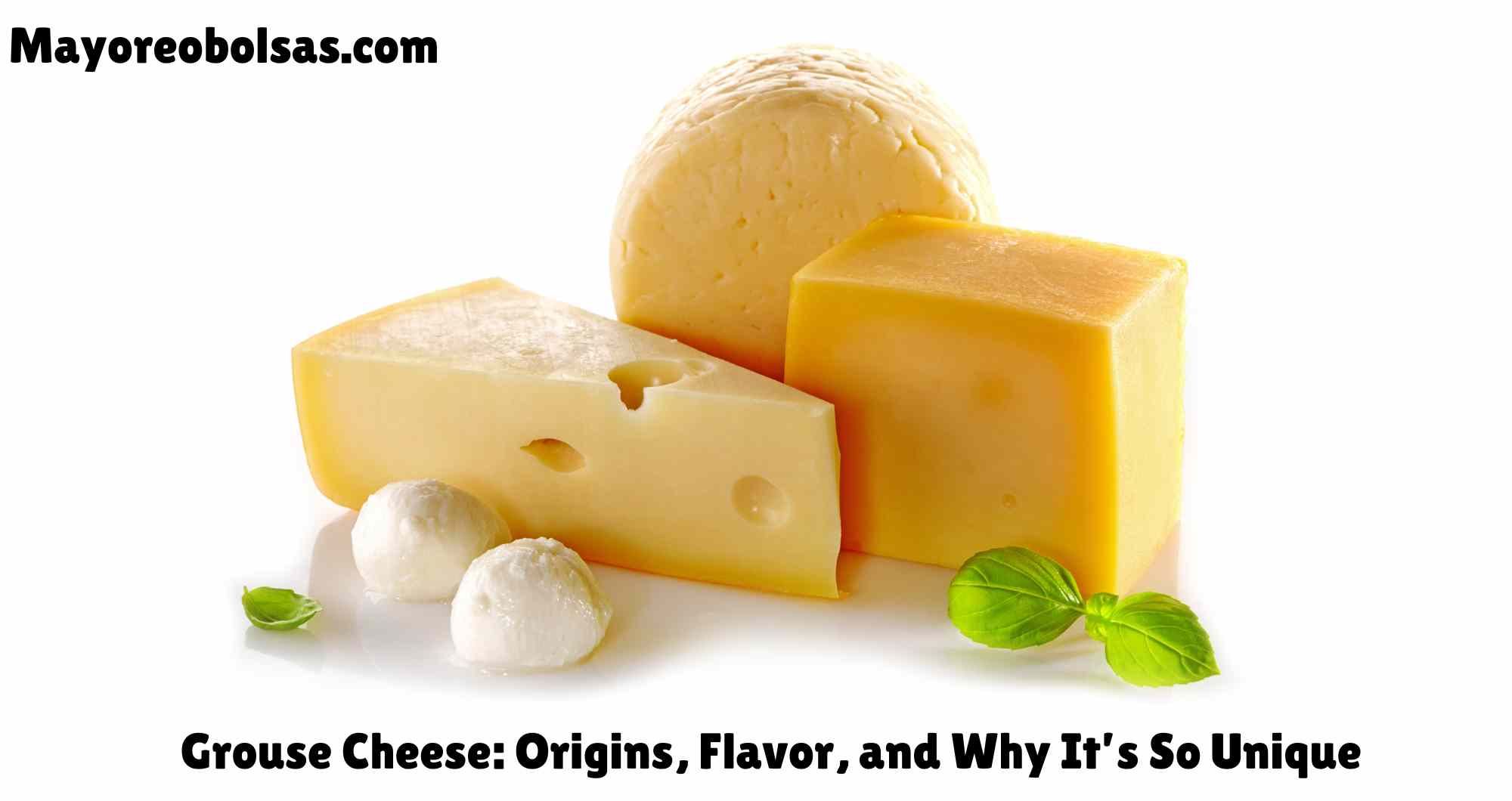
Texture plays a critical role in defining this unique cheese. Often semi-hard, Grouse Cheese has a creamy interior punctuated by small holes or eyes that provide delightful bursts during chewing. The outer rind may vary from smooth to slightly rugged depending on production techniques.
As you savor Grouse Cheese, you’ll notice how its texture changes under different temperatures—firm when chilled but softening beautifully as it warms up. This versatility makes it an exciting choice for various culinary applications while ensuring every tasting experience remains memorable.
Cultural and Regional Significance
Grouse Cheese holds a cherished place in the culinary traditions of its region. This artisanal cheese is often tied to local festivals and celebrations, showcasing not just its unique flavor but also the community’s dedication to preserving their heritage.
It serves as an emblem of pride for cheesemakers who have honed their craft through generations. Each batch reflects local terroir, integrating elements from surrounding landscapes into the final product. The connection between Grouse Cheese and its environment enhances its cultural significance.
Moreover, it fosters a sense of belonging among residents and visitors alike. People gather over platters adorned with this distinctive cheese, sharing stories that trace back to ancestral roots while forging new memories. Such gatherings highlight how food can bridge gaps across diverse cultures.
As awareness grows about regional specialties like Grouse Cheese, it encourages tourism and supports small-scale farming initiatives. This attention helps preserve traditional methods that may otherwise fade away in our fast-paced world, ensuring future generations can experience this culinary treasure.
Why Grouse Cheese Is Considered a Rare Delicacy
Grouse Cheese stands out in the world of gourmet cheeses due to its unique production process and limited availability. Made from the milk of specific breeds of goats, this cheese is produced in small batches, often by artisan cheesemakers who adhere to traditional methods. This careful approach ensures that each wheel possesses distinctive characteristics, making it a sought-after commodity.
The geographical constraints where Grouse Cheese is made further enhance its rarity. Typically found in remote regions with ideal climatic conditions for goat farming, these locations contribute special attributes to both the milk and the final product. The community’s commitment to preserving local traditions adds an extra layer of exclusivity.
Flavors are another reason why Grouse Cheese captivates enthusiasts around the globe. Its rich taste profile combines earthy notes with a hint of sweetness—flavors that develop through aging and specialized techniques used during production. Each bite reveals complexity seldom found in mass-produced alternatives.
Moreover, scarcity drives demand among culinary professionals and food connoisseurs alike. As interest grows globally, finding authentic Grouse Cheese can feel like uncovering a hidden treasure within gastronomic circles.
How Grouse Cheese Is Used in Modern Cuisine
Grouse Cheese has made its mark in modern cuisine, showcasing its versatility across a variety of dishes. Chefs appreciate the cheese for its rich flavor and unique texture, often incorporating it into gourmet recipes that elevate traditional fare. It shines brilliantly on charcuterie boards alongside cured meats, fruits, and artisanal bread.
In salads, Grouse Cheese adds depth. Its creamy consistency pairs well with fresh greens and tangy dressings, creating an ideal balance of flavors. Some culinary experts even melt it over roasted vegetables or pasta to create indulgent comfort food that delights the palate.
This cheese is also finding a place in innovative desserts. When combined with honey or paired with fruit compotes, it brings an unexpected yet delightful contrast to sweet treats. The subtle nuttiness complements various dessert profiles remarkably well.
Another exciting trend is using Grouse Cheese as a filling for savory pastries or tarts. Its distinct taste enhances both appetizers and main courses alike while offering diners something truly special—an experience that celebrates this rare delicacy in imaginative ways.
Best Food and Wine Pairings for Grouse Cheese
Grouse cheese, with its rich and complex flavor profile, pairs beautifully with a variety of foods and wines. Its creamy texture complements charcuterie boards exceptionally well. Think cured meats like prosciutto or salami alongside pickled vegetables for a delightful contrast.
When it comes to fruits, pair Grouse cheese with fresh figs or slices of ripe pear. The sweetness of the fruit balances the saltiness of the cheese, creating a harmonious bite that pleases any palate. A drizzle of honey can elevate this pairing even further.
On the wine front, opt for robust reds such as Cabernet Sauvignon or Merlot. Their bold tannins play off the creaminess of Grouse cheese perfectly. For those who prefer white wine, consider a Chardonnay; its buttery notes echo the richness in every bite.
For an adventurous twist, craft beer lovers will find that IPAs and stouts also complement Grouse cheese nicely. The hoppy bitterness cuts through the richness while enhancing its unique flavors—a match made in culinary heaven!
Nutritional Insights and Dietary Considerations
Grouse cheese is not only a delight for the palate but also offers nutritional benefits. It is rich in protein, making it a great option for those looking to increase their intake of this essential macronutrient. A typical serving provides a substantial amount of amino acids that support muscle growth and repair.
The cheese contains healthy fats, including omega-3 fatty acids, which are beneficial for heart health. These fats can help reduce inflammation and improve overall cardiovascular function. However, due to its fat content, moderation is key when incorporating grouse cheese into your diet.
Lactose-sensitive individuals should approach grouse cheese with caution. Depending on the aging process used during production, some varieties may have lower lactose levels than fresh cheeses. Nevertheless, it’s advisable to taste test cautiously or consult with a healthcare provider if you’re unsure about its suitability.
Additionally, grouse cheese often comes from free-range animals grazing on natural pastures. This ethical sourcing can be appealing for those who prioritize sustainable food choices while enjoying gourmet flavors in their meals.
Safety, Ethics, and Legal Considerations
When exploring the world of Grouse Cheese, safety and ethical considerations are paramount. The production of this unique cheese often involves traditional methods that prioritize animal welfare. Many producers adhere to strict guidelines regarding humane treatment and sustainable farming practices. This commitment not only ensures quality but also supports local ecosystems.
Legal aspects surrounding Grouse Cheese can vary by region. Some areas implement specific regulations governing its production, labeling, and sale. These laws ensure that consumers receive authentic products while protecting the heritage of artisanal cheesemaking.
Food safety standards play a crucial role as well. Producers must comply with hygiene regulations to prevent contamination during manufacturing and storage processes. Regular inspections help maintain these high standards, promoting consumer confidence in buying Grouse Cheese.
Additionally, transparency is vital for consumers today who seek ethically produced foods. Many brands emphasize their sourcing practices on packaging or websites, allowing customers to make informed choices about the cheeses they purchase. This emphasis on ethics resonates strongly with a growing audience concerned about food origins and environmental impacts.
Rising Global Interest in Grouse Cheese
The culinary world is experiencing a notable shift, with Grouse Cheese gaining significant attention from food enthusiasts and chefs alike. This unique cheese, rooted in tradition, offers a distinctive taste that captivates palates everywhere. As consumers seek more authentic and artisanal products, Grouse Cheese has emerged as an intriguing option.
Social media platforms have played a pivotal role in elevating its profile. Chefs showcase their creations featuring this specialty cheese, while gourmet food bloggers highlight its remarkable qualities. The aesthetic appeal of dishes made with Grouse Cheese creates visual buzz online, drawing curiosity from adventurous eaters.
Additionally, the rise of farm-to-table dining has fueled interest in locally sourced ingredients like Grouse Cheese. Dine-in establishments are increasingly incorporating it into their menus to provide diners with unique flavor experiences—an exploration of regional cuisine that resonates well with modern sensibilities.
As the global palate expands towards diverse flavors and textures, producers are seeing increased demand for Grouse Cheese both domestically and internationally. Its rarity combined with rich cultural heritage positions it as not just a product but also an experience worth savoring across different culinary landscapes.
Where to Source Authentic Grouse Cheese
Finding authentic Grouse Cheese can be a delightful journey. This rare delicacy is often produced in specific regions, so knowing where to look is essential. Specialty cheese shops are excellent starting points; they typically carry artisanal products and have knowledgeable staff who can guide you.
Farmers’ markets also provide an opportunity to discover local producers. Engaging directly with cheesemakers allows you to learn about their methods and ingredients, providing deeper insight into the quality of the cheese you’re buying. Online retailers specializing in gourmet foods may offer options for purchasing Grouse Cheese as well, ensuring it’s shipped under controlled conditions.
For those traveling through areas known for producing this unique cheese, visiting dairies or tasting rooms can enhance your experience dramatically. Many producers welcome visitors for tours or tastings that showcase their craftsmanship.
Whether you’re seeking out a wedge for personal enjoyment or planning an extravagant charcuterie board, sourcing high-quality Grouse Cheese is definitely worth the effort. The flavors and stories behind each piece create not just a meal but an experience that reflects centuries of tradition and passion within every bite.