
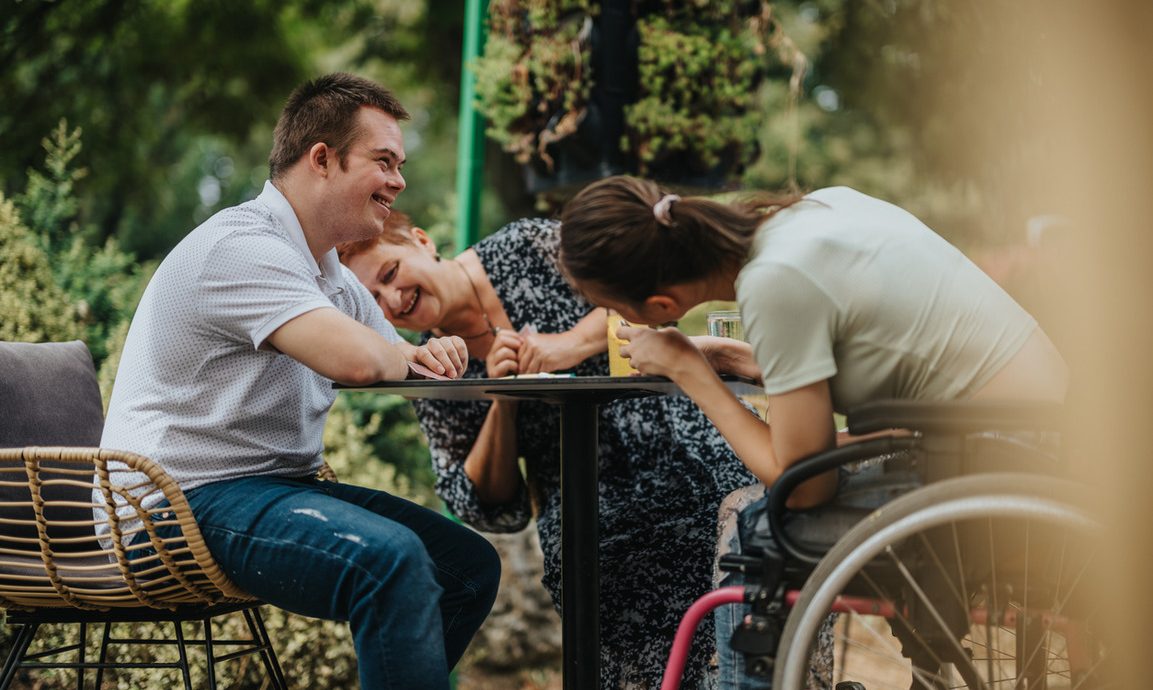
For many people living with disabilities, daily life involves more than managing appointments or receiving support at home. It’s about building confidence, developing practical skills, and feeling connected to the world around them. That’s where disability care and community participation programs make a meaningful difference.
These services aren’t just about assistance—they’re about empowerment. When structured support meets real-life opportunities, individuals gain the tools and confidence they need to live fuller, more independent lives. Let’s explore how these programs create everyday benefits for participants and their families.
Supporting Daily Living with Confidence
Disability care services often begin with support for daily living. This can include help with personal care, meal preparation, medication reminders, and maintaining a safe home environment.
While these tasks might seem routine, they’re essential foundations for independence.
Imagine someone recovering from surgery or managing a physical disability. Simple tasks like preparing breakfast or getting ready for the day may require extra assistance. With professional support, these activities become manageable rather than stressful.
Just as workplace training ensures employees perform tasks safely and efficiently, disability care provides structured guidance to help individuals confidently maintain daily routines.
Over time, many participants develop stronger skills and greater independence. For example:
- Learning to prepare simple meals independently
- Organising personal schedules
- Managing basic household responsibilities
Each achievement builds confidence and reinforces self-sufficiency.
According to research on independent living, access to appropriate support significantly improves the quality of life for people with disabilities. When daily needs are met consistently, individuals can focus on growth rather than constant problem-solving.
Reducing Isolation Through Community Participation
While in-home support is vital, community participation programs bring an additional layer of benefit—connection.
Humans thrive on social interaction. Whether it’s attending a fitness class, joining an art workshop, or participating in local events, being part of a group fosters a sense of belonging.
Community participation programs provide structured opportunities for:
- Social interaction
- Skill-building activities
- Recreational engagement
- Volunteer opportunities
Consider someone who joins a weekly cooking group. Beyond learning new recipes, they practice communication, teamwork, and time management. They share laughs, build friendships, and experience the satisfaction of contributing to a shared goal.
In industries like education and sports, group environments are known to boost motivation and confidence. Disability participation programs apply similar principles—creating supportive spaces where individuals can thrive.
Real-Life Example
James, a young adult with developmental disability, used to spend most of his time at home. After joining a supported community program, he began attending weekly outings and skill-building workshops. Over time, his communication improved, and he started initiating conversations with new people. His family noticed increased confidence not just during activities, but at home too.
Building Skills That Translate to Real Life
One of the most valuable aspects of disability care and participation programs is their focus on real-world application.
Instead of practicing skills in isolation, participants apply them in practical settings:
- Shopping trips to learn budgeting
- Public transport training for independent travel
- Volunteer work to build responsibility
- Fitness sessions to support physical wellbeing
These activities mirror experiences in schools and workplaces. Just as apprenticeships allow tradespeople to learn on the job, community-based programs allow individuals to practice life skills in authentic environments.
This approach builds both competence and confidence.
For example, someone who learns to navigate public transport during supported outings may later travel independently to work or social events. That independence opens doors to employment, education, and broader community engagement.
Strengthening Family Wellbeing
Disability care programs don’t just benefit participants—they also support families and carers.
Structured support services provide relief and reassurance.
When families know their loved one is receiving consistent, professional support, stress levels decrease. This allows parents, siblings, and carers to focus on quality time together rather than constantly managing care tasks.
For example, a parent who works full-time may rely on day programs to ensure their adult child remains engaged and active during the day. This balance supports financial stability while promoting the participant’s personal development.
In many ways, disability care services function like a support network. They bring professional structure to complement family care.
Encouraging Personal Growth and Self-Belief
Perhaps the most powerful benefit of disability care and community participation programs is the boost in self-belief.
When individuals:
- Master a new skill
- Build friendships
- Contribute to group activities
- Achieve small personal goals
Confidence grows gradually through consistent positive experiences.
A participant who once felt nervous attending a group session may later volunteer to help lead an activity. Someone hesitant to speak in public might begin contributing confidently during discussions.
These shifts may seem small at first—but they often ripple into other areas of life.
Accessing the Right Support
Choosing the right disability care and community participation services is important. Quality programs focus on:
- Individualised support plans
- Flexible scheduling
- Skill development aligned with personal goals
- Safe and inclusive environments
If you’re exploring available options, you can learn more about comprehensive disability care and participation services when you visit website to see how structured support programs are designed to enhance independence and community involvement.
Long-Term Impact on Quality of Life
Over time, the everyday benefits of disability care programs accumulate into a lasting impact.
Participants often experience:
- Greater independence in daily routines
- Increased social networks
- Improved emotional wellbeing
- Enhanced practical life skills
- Stronger self-confidence
Families gain peace of mind, knowing support systems are in place. Communities benefit as well—becoming more inclusive and diverse through the active participation of individuals with disabilities.
The combination of daily care support and meaningful community engagement creates a balanced approach. It ensures that individuals are not only safe and supported at home but also active and connected beyond it.
Final Thoughts
Disability care and community participation programs are about more than assistance—they’re about opportunity.
By supporting daily living needs, encouraging social interaction, and building real-world skills, these programs empower individuals to live fuller, more independent lives.
From cooking classes and volunteer work to structured day support and social outings, every activity contributes to confidence and wellbeing.
When individuals feel capable, connected, and supported, everyday life becomes richer—and long-term goals feel more achievable.
At the heart of it all is a simple but powerful idea: with the right support, everyone deserves the opportunity to participate, grow, and thrive in their community.