
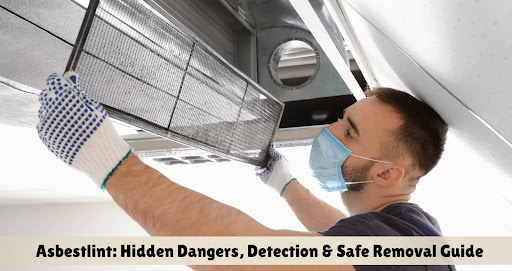
Asbestlint, an often-overlooked material in many homes and buildings, poses significant health risks that shouldn’t be ignored. This seemingly innocuous substance can hide in plain sight, lurking within walls or ceilings, waiting to become a hazard. With increasing awareness of its dangers, understanding asbestlint is crucial for homeowners and renters alike.
Many people may not even realize they are living or working alongside this dangerous material. The potential risks associated with asbestlint exposure include serious respiratory problems and long-term health issues. It’s essential to inform yourself about the origins of asbestlint and how it may affect you and your loved ones.
In this guide, we’ll delve deep into what asbestlint is all about—how it forms in structures and where you might find it hiding. We’ll also explore effective methods for detection and safe removal practices while providing insights on when it’s time to call in the professionals. Equip yourself with knowledge so that you can protect your environment from the hidden dangers of asbestlint!
What Is Asbestlint and Why It Matters
Asbestlint is a type of asbestos-containing material commonly found in older buildings. It consists of thin strips or sheets that were used for insulation, fireproofing, and soundproofing purposes. This material was highly valued for its durability and resistance to heat. However, the very properties that made asbestlint desirable also render it hazardous.
When disturbed or damaged, asbestlint can release microscopic fibers into the air. Inhalation of these fibers poses serious health risks over time. Conditions such as asbestosis, lung cancer, and mesothelioma have been linked to asbestos exposure. Because symptoms often take years to manifest, many people are unaware they’ve been affected until it’s too late.
Understanding what asbestlint is and where it may be located matters greatly for safety reasons. Older homes built before 1980 are particularly at risk since regulations regarding asbestos use began tightening around this time. If you live in an older structure or are considering renovations, knowing about asbestlint helps you make informed decisions.
Awareness about the presence of asbestlint can lead to proactive measures ensuring your home environment remains safe from airborne contaminants. Ignoring this issue could result in severe health consequences down the line—making education vital for homeowners everywhere.
Recognizing the significance of managing asbestlint contributes to better public health outcomes overall.
How Asbestlint Forms in Homes and Buildings
Asbestlint, or asbestos tape, is often found in various construction materials. It was widely used for insulation and fireproofing due to its heat-resistant properties. Understanding how it forms can help homeowners recognize potential risks.
Initially, asbestlint was a common choice in buildings constructed before the 1980s. During this time, contractors employed it to seal joints and pipes or insulate electrical systems. Its effectiveness made it a popular option across many industries.
Over time, the dangers of asbestos became apparent. When disturbed or degraded, asbestlint can release microscopic fibers into the air. These tiny particles are harmful when inhaled and pose significant health risks over prolonged exposure.
Buildings subjected to wear and tear may show signs of deteriorating asbestlint. This deterioration often occurs behind walls or under flooring where moisture damage can happen unnoticed. Renovations that disturb these areas could unknowingly increase exposure levels.
It’s crucial for homeowners to be aware of potential locations where asbestlint might exist within their properties. Identifying areas with older insulation materials is essential for safety measures during renovations or maintenance work on older homes.
Health Risks Associated With Asbestlint Exposure
Exposure to asbestlint poses significant health risks, primarily due to the inhalation of asbestos fibers. When these fibers are disturbed, they can become airborne and easily enter the lungs. This exposure is particularly dangerous because the body cannot effectively eliminate these microscopic particles.
One of the most serious conditions linked to asbestlint is mesothelioma, a rare form of cancer that affects the lining of the lungs and chest cavity. Symptoms often take decades to appear, making early detection challenging. As a result, individuals may unknowingly suffer for years before receiving a diagnosis.
Another risk associated with asbestlint exposure is asbestosis, a chronic lung disease caused by prolonged inhalation of asbestos fibers. This condition leads to severe scarring in lung tissue and results in difficulty breathing over time.
Additionally, those exposed may face an increased risk of lung cancer. The combination of smoking and asbestos exposure greatly heightens this risk factor even further.
Long-term effects from even minor exposures can be devastating; thus awareness about asbestlint’s dangers is crucial for both residential safety and public health initiatives. Understanding these risks empowers homeowners and building managers to take necessary precautions regarding materials containing asbestos.
Common Places Where Asbestlint Is Found
Asbestlint can lurk in various unexpected places within homes and buildings, making awareness crucial for safety. One of the most common locations is older insulation material. Homes built before the 1980s often used asbestos-containing materials for thermal insulation around pipes, boilers, and ducts.
Another frequent site is flooring products. Vinyl tiles and adhesives used in these installations might contain asbestlint, especially if they were installed prior to regulations banning its use. The risk increases when these materials are damaged or disturbed during renovations.
Ceiling tiles also pose a significant threat. Many textured ceiling finishes applied decades ago included asbestos fibers for added strength and durability. If you have a popcorn ceiling from this era, it’s essential to handle any repairs with caution.
Roofing materials are another area of concern. Asphalt shingles manufactured before certain bans may contain asbestlint to enhance their fire resistance and durability against weather elements.
Exterior siding made from cement sheets or wall panels can hide the dangers of asbestlint as well. These materials gained popularity due to their longevity but come with hidden health risks if not properly maintained or removed safely during remodeling projects.
How to Identify Asbestlint Safely
Identifying asbestlint can be tricky, especially for those without professional training. It’s crucial to approach this task with caution. First, know that asbestlint often resembles common insulation materials. It may appear grayish-white and fluffy or have a fibrous texture.
Before investigating, ensure you are wearing appropriate personal protective equipment (PPE). This includes gloves, goggles, and a mask rated for asbestos handling. These precautions will help minimize your exposure to any harmful fibers released during the identification process.
If you suspect there might be asbestlint in your home or building, avoid disturbing it. Disturbance increases the risk of releasing dangerous fibers into the air. Instead of touching or sampling materials directly, visually inspect areas where older insulation is present.
Check behind walls, beneath floors, and around pipes — these are common hiding spots for asbestlint. If you find material that looks suspicious but aren’t sure about its composition, consider taking photographs rather than physically interacting with it.
When in doubt about identifying potential asbestlint safely yourself; it’s best to consult professionals who specialize in asbestos detection and testing services to confirm suspicions accurately without risking safety.
Professional Methods for Asbestlint Testing
When it comes to testing for asbestlint, hiring professionals is crucial. They employ certified methods that ensure safety and accuracy in detecting asbestos fibers. This expertise helps prevent exposure during the testing process itself.
One common method is air sampling. Professionals collect air samples from various locations within your property. These samples are then analyzed in a laboratory, providing clear insights into whether asbestlint is present and at what levels.
Another effective technique involves bulk sampling. Here, technicians take small material samples from suspected areas or materials containing asbestlint—like insulation or flooring tiles—and send them off for analysis. This method helps identify specific sources of contamination within your home.
Moreover, professional inspectors use advanced tools such as polarized light microscopy (PLM) and transmission electron microscopy (TEM). These techniques allow for precise identification of asbestos types and can detect even minimal amounts of fibers in collected samples.
Trusting experts with these methods not only ensures accurate results but also provides peace of mind. They follow strict protocols to minimize any risk associated with handling potentially hazardous materials, making their services invaluable when dealing with asbestlint concerns.
Safe and Effective Asbestlint Removal Techniques
When it comes to asbestlint removal, safety is paramount. The first step in effective removal involves the use of personal protective equipment (PPE). This should include respirators, gloves, and disposable coveralls to minimize exposure during the process.
Wet methods are highly recommended for disturbing asbestlint. Spraying a fine mist of water helps suppress dust and fibers from becoming airborne. This technique ensures that any accidental release of asbestos particles remains contained within the work area.
Creating a containment area is essential for safe removal. Seal off all windows, doors, and vents leading to other parts of the building with plastic sheeting. Negative air pressure systems can also help filter out contaminants while working on an isolated section.
Using specialized tools designed specifically for asbestos abatement minimizes risk further. Hand tools like scrapers or electric saws fitted with HEPA filters reduce fiber release compared to traditional power tools which can create more dust.
Disposal must be conducted according to local regulations regarding hazardous waste management. Asbestos-laden materials should be double-bagged in heavy-duty plastic bags labeled correctly before being taken to approved disposal sites for safe handling.
Preventive Measures to Reduce Asbestlint Accumulation
Preventing asbestlint accumulation starts with awareness and education. Homeowners should familiarize themselves with the materials in their properties, especially if their buildings were constructed before the 1980s when asbestos use was more prevalent. Regularly inspecting construction materials for signs of wear or damage is crucial.
Proper maintenance is another key strategy. Keep an eye on insulation, roofing, and flooring materials that may contain asbestlint. If these components show signs of deterioration or leaking fibers, it’s essential to address them immediately to prevent further exposure.
When renovating or remodeling your home, always consult professionals experienced in handling asbestos-related work. They can provide guidance on safe practices and procedures tailored to your specific situation. Avoid DIY projects that involve disturbing potentially hazardous materials.
Using air filtration systems can also help mitigate risks associated with airborne particles from asbestlint. High-efficiency particulate air (HEPA) filters are particularly effective at capturing harmful fibers circulating within indoor environments.
Educating family members about the dangers of asbestlint promotes a culture of safety at home. Teach everyone the importance of reporting any visible damage to building materials promptly so that appropriate action can be taken swiftly.
When to Call Certified Asbestlint Removal Experts
If you suspect the presence of asbestlint in your home or building, it’s crucial to understand when to call certified removal experts. First and foremost, if you’re undertaking renovations or demolitions in older structures, be proactive. Structures built before the 1980s often contain materials that may include asbestlint.
Additionally, visible signs of damage can warrant immediate action. If you notice crumbling insulation or discolored surfaces where asbestos-containing materials may be present, don’t take chances with DIY methods. Calling a professional is essential for safety.
If you’ve experienced water damage from leaks or flooding in areas containing potential asbestlint, reach out for expert help right away. Moisture can compromise the integrity of asbestos fibers and increase risks during cleanup operations.
Another key indicator is if anyone in your household has ongoing respiratory issues that could be linked to asbestlint exposure. Consulting professionals who specialize in asbestos management can provide necessary assessments and peace of mind.
Avoid situations where disturbance might occur without proper safety measures in place—like cleaning an unknown material yourself. Certified specialists have the training and equipment needed to handle hazardous substances safely while ensuring compliance with local regulations.
Final Safety Tips for Managing Asbestlint
Managing asbestlint safely is a crucial step in protecting your health and the well-being of others. Start by staying informed about the locations where asbestlint may be present in your home or workplace. Knowing potential areas, such as insulation, ceiling tiles, and old flooring materials can empower you to take appropriate action.
Always wear protective gear if you’re working in an area that could contain asbestlint. This includes disposable gloves, masks rated for asbestos protection (like P100 respirators), and goggles. If you suspect you’ve encountered asbestlint during renovations or repairs, avoid disturbing it further.
Regular inspections are important for maintenance. Consider setting up a schedule to check older buildings for signs of wear that could expose hidden fibers over time. If any modifications are planned on properties with possible asbestlint presence, consult professionals beforehand.
If removal becomes necessary, never attempt it yourself unless you’re trained and certified in handling hazardous materials like asbestos. Proper containment methods must be used to prevent airborne particles from spreading throughout the environment.
Dispose of any waste material containing asbestlint responsibly according to local regulations—this often requires specialized disposal services trained in handling hazardous waste.
By following these safety tips diligently, you can manage risks associated with asbestlint effectively while ensuring a safer living space for everyone involved.