If you’re on the lookout for a vibrant addition to your vegetable repertoire, look no further than crocolini. This tender-stem vegetable is not only visually appealing but also brimming with flavor and nutrition. With its unique blend of taste and health benefits, it’s quickly becoming a favorite among home cooks and chefs alike.
Originating from the cruciferous family, crocolini offers a delightful twist that sets it apart from typical vegetables like broccoli or asparagus. Its slender stalks are both crunchy and succulent, making it an ideal choice for various dishes. As more people embrace plant-based diets, understanding this versatile veggie becomes essential.
Ready to discover everything there is to know about crocolini? From its fascinating history to delicious recipes that showcase its flavors, this blog post will guide you through all aspects of this culinary gem. Whether you’re already a fan or new to the world of crocolini, prepare yourself for some tasty inspiration!
What Is Crocolini?
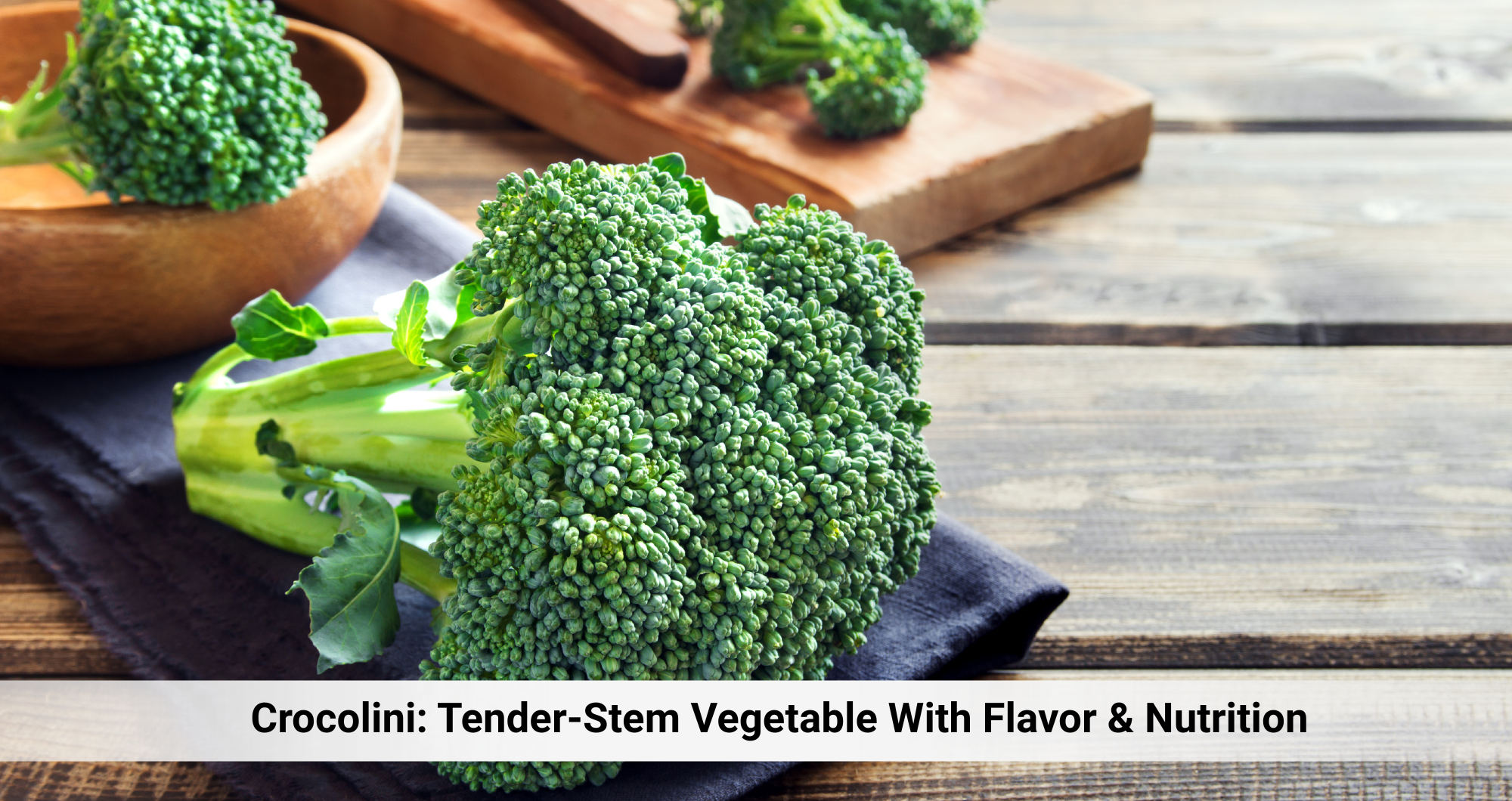
Crocolini is a delightful hybrid vegetable, combining the best traits of broccoli and asparagus. Known for its slender, tender stems and small florets, it offers a unique culinary experience. This vibrant green vegetable boasts an appealing appearance that enhances any dish.
Often mistaken for broccolini or baby broccoli, crocolini stands out with its slightly sweeter taste and more delicate texture. It’s versatile enough to be enjoyed raw in salads or cooked in various dishes. Its bright color not only makes it visually stunning but also indicates its rich nutrient profile.
This veggie belongs to the Brassica family, which includes other nutritional powerhouses like cauliflower and Brussels sprouts. Crocolini’s cultivation focuses on maintaining tenderness while enhancing flavor.
Typically harvested when young and fresh, crocolini can be found year-round at grocery stores or farmers’ markets. Whether you’re looking to add greens to your plate or seeking new flavors for your meals, this vegetable provides an excellent option.
Its increasing popularity among health-conscious consumers speaks volumes about its appeal as a nutritious addition to modern diets. Exploring crocolini can open up exciting possibilities in both cooking and nutrition.
History and Origin of Crocolini
Crocolini is a relatively new vegetable that has gained popularity in recent years. It emerged as a hybrid, combining the best features of broccoli and Chinese kale (also known as gai lan). This unique pairing resulted in a tender-stem vegetable that boasts both flavor and nutritional benefits.
The origins of crocolini can be traced back to agricultural innovation aimed at creating vegetables that are not only delicious but also easy to prepare. With its vibrant green color and slender stalks, crocolini quickly caught the attention of chefs and home cooks alike. Its aesthetic appeal makes it an attractive addition to various dishes.
Cultivated primarily in regions with temperate climates, such as California, crocolini thrives when grown under optimal conditions. Farmers focused on enhancing its taste while maintaining high nutritional value, leading to its rise among health-conscious consumers.
As global interest in plant-based diets surged, so did the demand for versatile vegetables like crocolini. Its ability to adapt to different culinary styles helped cement its place on grocery store shelves around the world.
Today, this humble yet flavorful vegetable continues to evolve within modern cuisine while offering an exciting alternative for those looking to diversify their meals.
Nutritional Benefits of Crocolini
Crocolini is a nutritional powerhouse, making it an excellent addition to any diet. This unique vegetable packs a punch in terms of vitamins and minerals. Rich in vitamin C, crocolini supports immune function and skin health while also providing antioxidants that help combat oxidative stress.
In addition to vitamin C, crocolini contains valuable amounts of dietary fiber. Fiber is essential for healthy digestion and can aid in maintaining stable blood sugar levels. A diet high in fiber promotes satiety, which may assist with weight management.
Another notable nutrient found in crocolini is potassium. This mineral plays a key role in heart health by helping regulate blood pressure and fluid balance within the body. Adequate potassium intake can reduce the risk of stroke and other cardiovascular diseases.
Furthermore, crocolini has anti-inflammatory properties attributed to its various phytonutrients. These compounds are believed to contribute positively towards reducing inflammation-related conditions such as arthritis or heart disease.
This tender-stem vegetable delivers important B vitamins like folate and riboflavin. These nutrients support energy metabolism, brain function, and overall well-being.
Flavor Profile and Texture
Crocolini boasts a unique flavor profile that sets it apart from other vegetables. With its subtle sweetness and mild earthiness, this tender-stem vegetable is both versatile and delightful. Its taste is often described as a cross between broccoli and asparagus, making it an excellent addition to various dishes.
The texture of crocolini plays a significant role in its appeal. The stems are crisp yet tender, providing a satisfying crunch when cooked properly. This balance makes crocolini enjoyable whether eaten raw or cooked. When lightly steamed or sautéed, the vegetable retains its vibrant green color while becoming more succulent.
Cooking methods can influence the flavor further. For example, roasting enhances its natural sweetness and adds depth through caramelization. On the other hand, quick blanching preserves its fresh taste while softening the texture slightly for salads.
Incorporating crocolini into meals not only brings flavor but also visual appeal due to its striking appearance—delicate florets atop slender stalks create an attractive plate presentation.
This combination of flavors and textures makes crocolini suitable for numerous culinary applications—from stir-fries to pasta dishes—and ensures it can easily complement any meal or cuisine.
How to Select and Store Crocolini
When selecting crocolini, look for vibrant green stalks that are firm and crisp. The leaves should be fresh and free from any yellowing or wilting. Avoid bunches with dark spots or signs of decay, as these indicate the vegetable is past its prime.
Size matters when it comes to crocolini. Opt for smaller stalks, which tend to be more tender and flavorful compared to larger ones. A good rule of thumb is to choose those around six inches long, as they pack a punch in both taste and texture.
Once you’ve selected your crocolini, proper storage is essential for maintaining freshness. Wrap them gently in a damp paper towel before placing them inside a plastic bag. This will help retain moisture while preventing excess condensation.
Store the wrapped crocolini in the crisper drawer of your refrigerator where temperatures are cooler but not freezing. They can typically last up to a week when stored correctly.
If you won’t use them within that time frame, consider blanching and freezing crocolini for future meals. Simply cook briefly in boiling water, cool immediately in ice water, then freeze in airtight containers or bags.
Easy Ways to Cook Crocolini
Cooking crocolini is simple and versatile, making it a great addition to any meal. One of the easiest methods is blanching. Just bring a pot of salted water to a boil, add the crocolini for about two minutes, then transfer it to an ice bath. This method preserves its vibrant color and crunch.
Stir-frying is another quick option that brings out the vegetable’s natural flavors. Heat some olive oil in a pan over medium-high heat, toss in chopped garlic or ginger if desired, then add your crocolini. Cook for just three to five minutes until tender yet crisp.
Roasting adds depth to the flavor profile of crocolini. Preheat your oven to 425°F (220°C), toss with olive oil, salt, and pepper on a baking sheet, and roast for about 15-20 minutes until slightly charred. The caramelization enhances its taste beautifully.
You can also try grilling crocolini for an outdoorsy twist. Simply brush with olive oil and season before placing them directly on the grill grates for around three minutes per side.
Incorporating it into soups or stews works well too; simply chop it up and add during the last few minutes of cooking for added nutrition without sacrificing texture.
Popular Crocolini Recipes
Crocolini shines in a variety of dishes, making it a versatile choice for any meal. One popular way to enjoy this tender-stem vegetable is by sautéing it with garlic and olive oil. This simple preparation enhances its natural flavors while keeping the vibrant green color.
Another delicious option is to roast crocolini in the oven. Tossed with salt, pepper, and a drizzle of balsamic glaze, roasting brings out caramelized notes that pair wonderfully with grilled meats or fish. It’s an easy side dish that packs both flavor and nutrition.
For those who love vibrant salads, try incorporating blanched crocolini into your next creation. Mix it with cherry tomatoes, feta cheese, and a tangy lemon vinaigrette for a refreshing twist that adds crunch and health benefits.
You can also explore stir-frying crocolini alongside other seasonal vegetables like bell peppers and snap peas. A splash of soy sauce or teriyaki will add an umami kick that’s sure to please.
Consider adding crocolini to pasta dishes. It complements creamy sauces beautifully or can be tossed into light pesto preparations for added texture and nutrients without overwhelming the dish’s essence.
Crocolini vs Broccolini: Key Differences
Crocolini and broccolini may look similar at first glance, but they have distinct differences worth noting. Both belong to the Brassica family, which also includes broccoli and kale. However, crocolini is a hybrid of broccoli and Chinese kale, while broccolini results from crossing broccoli with gai lan.
The appearance of these vegetables varies as well. Crocolini features tender stems that are longer than those of broccolini, along with slightly larger florets. The leaf structure also differs; crocolini has broader leaves compared to its counterpart’s more delicate foliage.
Flavor profiles set them apart too. Crocolini tends to have a sweeter taste with mild earthy notes. Broccolini offers a nuttier flavor that can be more pronounced when cooked or roasted.
When it comes to cooking methods, both vegetables are versatile but excel in different dishes. Crocolini’s tenderness makes it ideal for quick stir-fries or salads where crunchiness is preferred. Broccolini holds up well in grilling or roasting applications due to its sturdier stalks.
In terms of nutrition, both options are rich in vitamins A and C, fiber, and antioxidants. Choosing between the two often comes down to personal preference regarding taste texture and culinary use.
Tips for Adding Crocolini to Your Meals
Crocolini is a versatile vegetable that can elevate your meals in numerous ways. Start by incorporating it into stir-fries for an added crunch and vibrant color. Simply toss it in with your favorite proteins and other vegetables for a quick, nutritious dish.
Another great way to enjoy crocolini is by adding it to salads. Its tender stems add texture while providing essential vitamins. Blanching the crocolini before tossing it into the salad will enhance its flavor and make it more palatable.
If you’re looking for a unique side dish, roast crocolini with olive oil, salt, and pepper. The roasting process caramelizes its natural sugars, resulting in a deliciously sweet profile that pairs well with grilled meats or fish.
For breakfast enthusiasts, consider including chopped crocolini in omelets or frittatas. It brings not only nutrition but also visual appeal to your morning plate.
Don’t shy away from blending crocolini into smoothies or soups for an extra nutritional boost. Its mild flavor won’t overpower other ingredients but will enrich them subtly without compromising taste.
Health Considerations and Serving Ideas
Crocolini is not only a delicious addition to meals but also packed with health benefits. This tender-stem vegetable is rich in vitamins C, K, and A, along with essential minerals like calcium and iron. These nutrients contribute to overall well-being, supporting immune function and bone health.
When incorporating crocolini into your diet, consider its fiber content. Fiber aids digestion and helps maintain blood sugar levels. Including this vegetable can be beneficial for those looking to increase their dietary fiber without excessive calories.
For individuals on specific diets or with food sensitivities, crocolini is gluten-free and low in calories. It’s an excellent choice for anyone wanting to manage weight while still enjoying flavorful dishes.
Serving ideas are versatile as well. You can enjoy it raw in salads for a crunchy texture or lightly steamed as a side dish. Pairing it with citrus dressings enhances its flavor profile beautifully.
Experimenting with various cuisines can elevate your meals further. Crocolini complements Asian stir-fries or Mediterranean dishes seamlessly due to its mild taste and appealing appearance on the plate.
Conclusion: Why Include Crocolini in Your Diet
Including crocolini in your diet offers a host of benefits that make it a valuable addition to any meal plan. This tender-stem vegetable boasts an impressive nutritional profile, rich in vitamins A, C, and K, along with fiber and antioxidants. Adding crocolini can enhance not just the health aspects of your meals but also their visual appeal thanks to its vibrant green color.
Its unique flavor—mild yet distinct—pairs well with various ingredients, allowing for endless culinary creativity. Whether you sauté it lightly or throw it into soups and salads, crocolini brings both taste and nutrition to the table.
Moreover, this versatile vegetable is easy to prepare and cook. It complements many dishes while being simple enough for novice cooks. With so many ways to enjoy it—from stir-fries to roasts—you’ll never run out of ideas.
Exploring new vegetables like crocolini can refresh your palate and inspire healthy eating habits. Incorporating this nutrient-dense ingredient not only supports overall well-being but also diversifies your meals beautifully. So why not give crocolini a try? Its deliciousness could quickly earn it a spot as a staple in your kitchen.