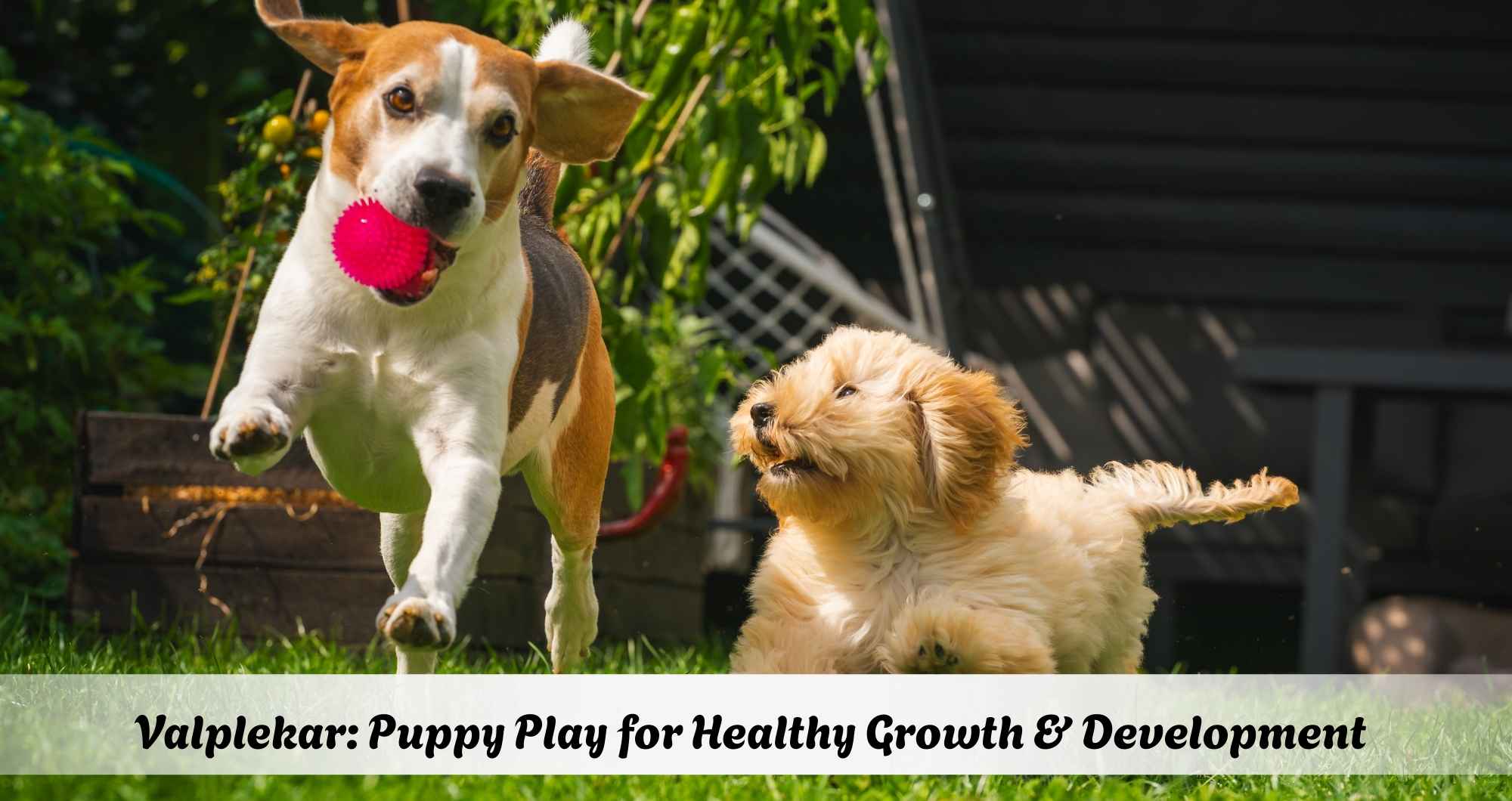
Puppies are bundles of joy, energy, and boundless curiosity. If you’ve ever watched a puppy at play, you know just how captivating their antics can be. But did you know that there’s more to those playful moments than meets the eye? Enter “valplekar” — a term that encapsulates the importance of structured puppy play for healthy growth and development.
As pet parents, it’s essential to understand that play isn’t just about having fun; it’s crucial for your furry friend’s physical and mental well-being. From building muscle strength to fostering social skills, the right kind of playtime sets your pup on a path toward becoming a well-rounded adult dog. So grab your favorite snack (maybe some treats for your pup too!), sit back, and let’s delve into why valplekar is so vital during those early years!
What Valplekar Really Means
Valplekar is a term that might not be familiar to many, but it holds great significance in the realm of puppy care. At its core, valplekar refers to structured and purposeful playtime designed specifically for puppies. It’s about more than just letting them romp around in the yard.
Think of valplekar as a playdate with a purpose. It combines various activities that promote physical health, social skills, and mental stimulation. Puppies learn best through engaging interactions, and this concept encapsulates that idea perfectly.
By incorporating different types of games and exercises into your pup’s routine, you’re setting the stage for balanced growth. Valplekar encourages exploration while allowing puppies to develop essential skills they’ll need later on in life.
The beauty of this approach lies in its versatility; you can tailor activities based on your puppy’s energy levels or personality traits. Whether it’s tug-of-war or interactive fetch sessions, each activity serves a unique role in their development journey.
Embracing valplekar means being intentional about how you engage with your furry friend during those critical formative years.
Why Puppy Play Matters Early
Puppy play is crucial during those early months of life. It’s not just about having fun; it lays the foundation for a well-adjusted adult dog. When puppies engage in play, they learn essential skills that will benefit them throughout their lives.
During playtime, puppies explore their environment and test boundaries. This process helps them understand what behaviors are acceptable and which ones aren’t. They learn to communicate with their peers through body language and vocalizations, setting the stage for healthy social interactions later on.
Additionally, early play experiences can significantly reduce anxiety and fearfulness in dogs as they mature. Puppies exposed to various stimuli while playing become more confident adults who adapt better to new situations or encounters.
Moreover, puppy play fosters a bond between you and your furry friend. Engaging in playful activities strengthens trust and enhances companionship, making training much easier down the road.
It’s critical for physical growth too! Play increases coordination and muscle development while promoting overall health—something every pup needs as they grow into adulthood. So don’t underestimate the power of simple games; they’re vital building blocks for your puppy’s future!
Physical Growth Benefits
Puppy play isn’t just fun; it’s essential for their physical growth. When puppies engage in active play, they build stronger muscles and improve coordination. Think of it as a gym session tailored just for them.
Every leap, bound, and playful wrestle helps develop their joints too. These activities enhance flexibility and support proper bone development. It’s crucial during those early months when they’re growing so fast!
Additionally, regular play sessions can help maintain a healthy weight. Puppies are naturally curious and energetic, but without enough exercise, they might become overweight or sluggish over time. Playtime keeps that energy in check.
Don’t forget about the cardiovascular benefits! Running around with other pups gets their heart pumping, which is vital for overall health. A strong heart will serve your puppy well into adulthood.
Engaging in varied physical activities encourages balanced muscle development. This means fewer injuries later on as they grow older and continue to explore the world around them confidently.
Social Skills Through Play
Puppy play is more than just fun; it’s a crucial way for your furry friend to learn social skills. When puppies interact with each other, they’re picking up on cues that will help them navigate the canine world. Watching how they communicate can be quite entertaining.
During playtime, puppies engage in behaviors like barking, growling, and even playful biting. These interactions teach them about boundaries and appropriate responses. A well-adjusted puppy learns when to back off or when to encourage more play with their pals.
Socialization through play also helps reduce fears later in life. The more varied experiences they have early on, the better equipped they’ll be to handle new situations as adults. This exposure builds confidence in different environments.
Moreover, playing with other dogs helps sharpen their problem-solving abilities. They’ll encounter challenges during these interactions—like figuring out who gets the toy first—which enhances their critical thinking skills.
It’s not just about interacting with other pups either! Engaging with humans during play fosters trust and strengthens bonds between you and your puppy while teaching them valuable lessons about human behavior too.
Mental Development Support
Mental stimulation is crucial for a puppy’s development, and that’s where valplekar plays a vital role. Through engaging playtime, your furry friend can explore their world in ways that challenge their mind. This exploration encourages curiosity and problem-solving skills.
Interactive games are fantastic for mental growth. Toys like puzzle feeders or treat-dispensing balls not only keep them entertained but also require them to think critically about how to access the goodies inside. Every little success boosts their confidence and sharpens their intellect.
Social play with other puppies can further enhance cognitive abilities. When they interact, they learn important cues about communication and body language. These situations help develop emotional intelligence that will serve them well throughout life.
Keeping sessions varied keeps boredom at bay while enhancing engagement levels too. Switch up toys, create obstacle courses, or introduce new friends into the mix; these changes provide fresh challenges for your pup’s developing brain.
Never underestimate the power of play when it comes to mental support! Each moment spent playing is an opportunity for learning and growth—a foundation that shapes a well-rounded adult dog in the future.
Safe Play Ideas for Puppies
When it comes to safe play for puppies, creativity is key. One fantastic option is using soft toys designed specifically for their tiny teeth. Avoid those hard plastic chew toys; they can cause harm instead of fun. Opt for plush or rubber ones that are gentle and durable.
Another great idea involves interactive games like hide-and-seek. You can hide treats around your home or yard and let your pup sniff them out. This not only keeps them engaged but also encourages their natural instincts in a safe environment.
Obstacles courses made from household items can be an exciting way to stimulate both mind and body. Think pillows, low benches, or even cardboard boxes! Just ensure everything is stable so there’s no chance of injury during their playful exploration.
Water play can also be a hit, especially on warm days! A shallow kiddie pool filled with water and some floating toys provides endless enjoyment while keeping cool at the same time.
Consider supervised playdates with other vaccinated puppies. Socializing through structured interaction helps them learn boundaries while having fun together under your watchful eye.
Age-Appropriate Play Tips
When it comes to play, age really does matter. Puppies go through different developmental stages, and their play should reflect that. For tiny tots under 12 weeks old, gentle interactions are key. Soft toys and brief sessions help them explore without overwhelming their little bodies.
As they hit the three to six-month mark, pups become more curious and energetic. This is when introducing structured games can work wonders! Simple fetch or tug-of-war helps with coordination while still being fun. Just keep an eye on their energy levels; you want to avoid overexertion.
Once your pup reaches six months, they’re usually ready for a bit more challenge in their playtime activities. Agility exercises using tunnels or low jumps can be fantastic at this stage. They boost confidence while letting them burn off excess energy effectively.
Around the one-year mark, many dogs are bursting with enthusiasm! Incorporate socialization opportunities like puppy classes or dog parks into their routine. Supervised interactions will teach vital skills as they navigate new experiences alongside peers.
Always remember that each dog is unique! Tailor your approach based on your pup’s personality and preferences for the best results during these formative years.
Preventing Behavior Issues
Preventing behavior issues in puppies is crucial for a harmonious home. Engaging them in activities like valplekar can truly set the stage for good behavior down the line. When puppies play, they learn boundaries and social cues that are essential as they grow.
Regular playtime helps to channel their energy productively. An under-stimulated puppy may resort to chewing furniture or barking excessively. By incorporating structured play into their routine, you give them an outlet for all that pent-up excitement.
Socialization during these playful moments also plays a key role. Interaction with other dogs and people teaches your pup how to behave appropriately in various situations. The more experiences they have through valplekar, the better equipped they’ll be later on.
Consistency is another important factor. Establish clear rules about what’s acceptable during playtime and reinforce those behaviors consistently over time. This way, your puppy learns what’s expected of them without confusion.
Keep an eye on signs of stress or aggression during play sessions. If things get too intense, stepping back can prevent negative associations with play itself. Always make sure it’s a safe space where fun thrives!
Valplekar vs Random Play
When it comes to playtime, not all activities are created equal. Valplekar is a structured form of puppy play that focuses on intentional social interactions and developmental benefits. Random play can be fun but often lacks purpose.
Think about it: during valplekar, puppies engage in activities designed to promote specific skills. This isn’t just running around aimlessly; it’s about fostering relationships and building confidence through guided experiences with their peers.
On the other hand, random play tends to be chaotic and unregulated. While spontaneity has its charm, it might not provide the same comprehensive benefits as valplekar. Puppies may miss out on crucial lessons when they’re left to their own devices.
Valplekar also emphasizes safety and supervision. With structured interactions, you can ensure that every pup plays respectfully without overwhelming each other or getting into trouble.
Encouraging meaningful connections between pups will help develop essential life skills like empathy and cooperation—something random play doesn’t always achieve effectively. So next time you’re considering how your puppy spends their time playing, think about opting for valplekar over mere randomness for richer growth opportunities!
How Much Play Is Enough?
Determining how much play is enough for your puppy can feel tricky. Every pup has their unique energy levels and personality traits. It’s essential to pay attention to your furry friend’s cues.
Generally, puppies need about 5 minutes of structured playtime per month of age, up to twice a day. So, if your puppy is three months old, aim for around 15 minutes of active play each session. This formula gives you a good starting point but always adjust based on their behavior.
Your puppy will tell you when they’ve had enough. Watch for signs like panting or losing interest in toys. If they flop down or seem distracted, it’s likely time to wrap things up. Remember that quality matters more than quantity; engaging activities are far better than just letting them run wild.
Incorporating different types of play also helps keep things fresh and exciting! Alternate between fetch, tug-of-war, and interactive puzzle games to stimulate both body and mind.
Consistency is key too! Regularly scheduled playtimes help establish routines while reinforcing bonding moments with your canine companion—not just fun but essential for healthy growth as well!
Common Playtime Mistakes
When it comes to playtime, even the best intentions can lead to common mistakes that might hinder your puppy’s growth and development. One of the most frequent errors is overdoing it. While puppies have a lot of energy, they also need rest. Make sure you’re balancing intense play sessions with downtime to allow for recovery.
Another mistake is not supervising interactions with other dogs or pets. Puppies are curious by nature, but that curiosity can sometimes lead them into precarious situations. Always keep an eye on their playdates to ensure they’re safe and learning healthy behaviors.
Additionally, many pet owners underestimate how important structured play is versus free-for-all chaos. Incorporating games that focus on specific skills—like fetch for retrieval or hide-and-seek for problem-solving—can make a significant difference in their development.
Don’t forget about variety! Sticking to one type of toy can become boring quickly for your pup. Rotate toys regularly and introduce new ones to stimulate interest and encourage exploration.
By being mindful of these pitfalls during your valplekar sessions, you’ll create a more enriching environment that fosters healthy growth in both physical and emotional aspects for your furry friend!