
What Is Bardoek? A Comprehensive Introduction
Bardoek is more than just a term; it encapsulates a rich tapestry of history, culture, and modern-day relevance. Originating from deep-rooted traditions, bardoek has evolved over the years to find its place in various aspects of our lives today.
Whether you’re curious about its historical significance or looking for ways to incorporate this fascinating element into your daily routine, understanding bardoek can unlock a world of possibilities.
As we delve into the origins and traditional uses of bardoek, you’ll discover how it reflects human creativity and resourcefulness.
Beyond ancient practices, bardoek finds applications across industries—enhancing everything from wellness to sustainability efforts.
Join us on this journey as we explore the benefits and challenges associated with integrating bardoek into contemporary living. Get ready to uncover why this intriguing concept deserves a spot on your radar!
The Historical Origins of Bardoek
Bardoek has a rich history that traces back centuries. Its origins lie deeply rooted in various cultural practices, primarily among communities in Africa and parts of Asia.
The term “bardoek” itself is derived from ancient dialects, symbolizing a blend of nature and human ingenuity.
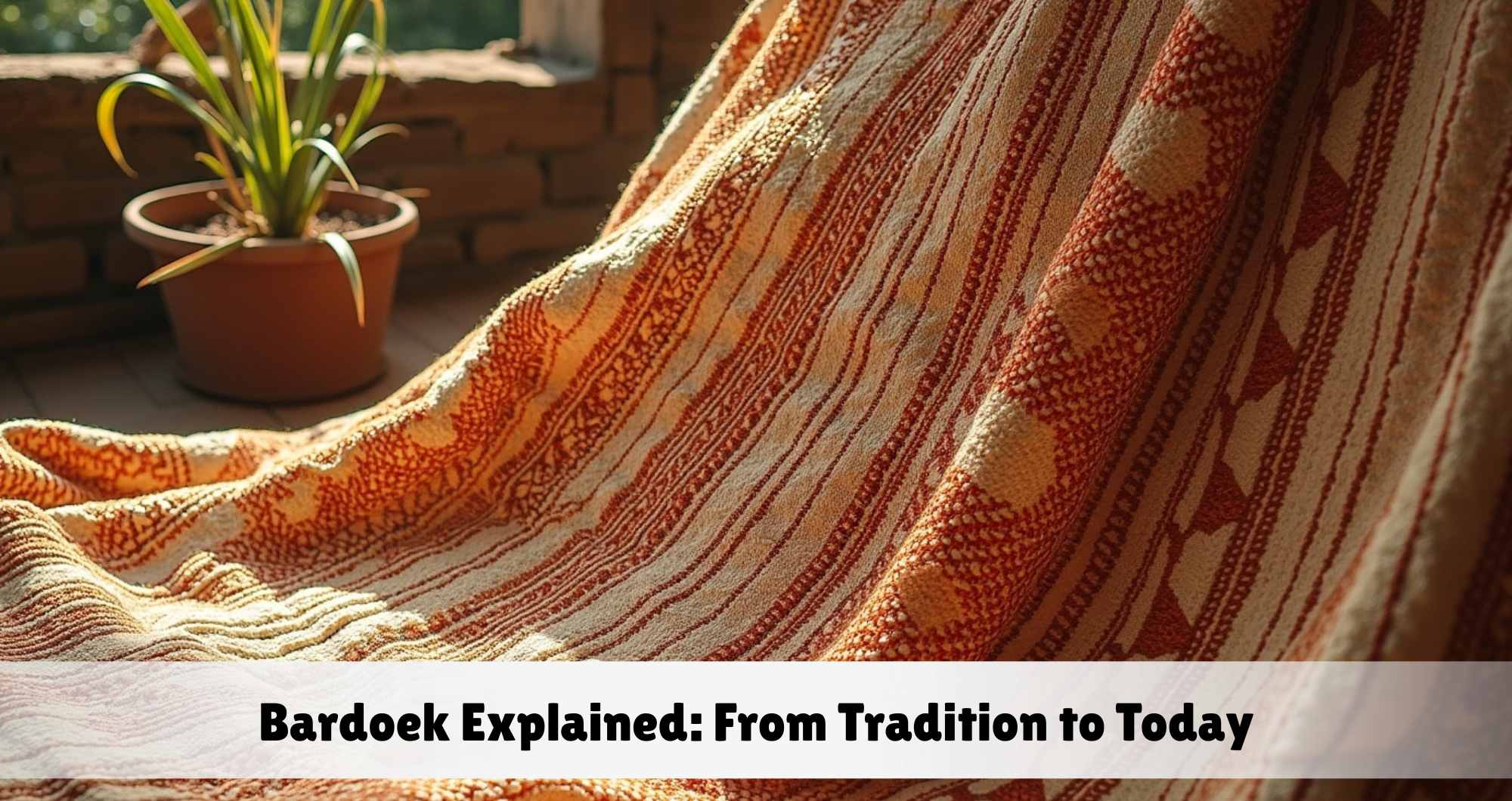
Historically, bardoek refers to traditional woven textiles made from plant fibers or animal hair. These materials were often sourced locally, showcasing the relationship between communities and their environment.
The craft was passed down through generations, with each culture adding its unique touch.
In many indigenous cultures, bardoek held significant social importance. It was not just a material; it represented identity and heritage for different tribes.
Patterns woven into the fabric often told stories, capturing events or ancestral lineage important to those who wore them.
The production of bardoek involved intricate techniques mastered by skilled artisans over time. Each weave required patience and precision, making these items highly valued within local economies as well as ceremonial occasions.
Trade routes further spread the significance of bardoek beyond regional boundaries. As merchants exchanged goods across continents.
They also shared ideas about textile creation and usage patterns which contributed to evolving styles over time.
During colonial periods, many aspects of traditional crafting faced challenges due to external influences but managed to survive thanks to resilient local communities committed to preserving their heritage.
Today’s resurgence in interest surrounding sustainable fashion has rekindled appreciation for historical practices like those behind bardoek.
The story continues as modern artisans blend old-world techniques with contemporary designs while remaining respectful of its origins.
Traditional Uses and Cultural Significance of Bardoek
Bardoek, a term rich in cultural significance, has been utilized by various communities for centuries. Traditionally made from natural fibers, this versatile material played an essential role in everyday life.
In many cultures, bardoek served as clothing. The fabric’s breathability and durability made it ideal for garments suited to different climates.
For example, people would wear bardoek robes during ceremonies or significant events to symbolize their heritage.
Beyond clothing, bardoek was often used to create household items. From bags and baskets to decorative pieces.
Artisans skillfully crafted these products using traditional techniques passed down through generations. Each piece told a story of the community’s history and craftsmanship.
Moreover, the cultural significance of bardoek extends into spiritual practices. In several indigenous traditions, it is believed that wearing or carrying items made from bardoek.
It can enhance one’s connection with nature and ancestors. This belief adds layers of meaning beyond its practical applications.
The use of bardoek also plays a vital role in rituals and celebrations. It appears prominently during festivals where colors and patterns represent distinct meanings tied to local customs.
Such occasions allow communities to showcase their identity proudly through vibrant displays of bardoek creations.
Additionally, storytelling remains intertwined with the use of bardoek in many societies. Elders recount tales while weaving or working with this material—passing wisdom along while preserving cultural narratives associated with its use.
As globalization continues to influence lifestyles worldwide, some communities strive to maintain traditional practices involving bardoek despite modern pressures. Emphasizing its importance helps ensure that future generations appreciate both its functional aspects and deep-rooted cultural values.
Modern-Day Applications of Bardoek in Various Fields
Bardoek has found a remarkable place in contemporary society, transcending its traditional roots. Its applications span various fields, showcasing versatility and adaptability.
In the world of medicine, bardoek is gaining attention for its potential therapeutic benefits. Researchers are exploring its properties for use in natural remedies, which may contribute to holistic healing practices.
The incorporation of bardoek into herbal formulations reflects a growing trend toward alternative therapies.
The culinary scene also embraces bardoek with open arms. Chefs and food enthusiasts are discovering innovative ways to incorporate this unique ingredient into dishes.
Bardoek adds depth and complexity to flavors, making it an exciting addition for those seeking new gastronomic experiences.
In the realm of sustainable fashion, designers increasingly turn to bardoek fibers as eco-friendly alternatives to synthetic materials.
Textiles derived from bardoek not only promote sustainability but also support local artisans who continue traditional weaving techniques.
Additionally, the cosmetics industry recognizes the value of bardoek oils and extracts. Skincare products infused with these elements highlight their nourishing qualities while appealing to consumers interested in natural beauty solutions.
Educational institutions have begun incorporating lessons on bardoek’s cultural significance into curricula.
This ensures that future generations understand its heritage and appreciate its role within diverse communities around the world.
Environmentalists advocate for integrating bardoek cultivation into agroforestry systems due to its ability to enhance biodiversity and soil health.
These modern-day applications reflect an evolving understanding of how ancient practices can inform contemporary lifestyles while fostering respect for nature’s resources.
Benefits of Incorporating Bardoek Into Daily Life
Incorporating bardoek into daily life brings numerous benefits that can enhance overall well-being. This versatile material, used in various traditional practices, has found its way into contemporary lifestyles.
One significant benefit is its eco-friendly nature. Bardoek is derived from natural sources, making it a sustainable alternative to synthetic materials. Choosing bardoek helps reduce environmental impact and promotes responsible consumption.
Another advantage lies in its unique texture and aesthetic appeal. Bardoek is not only functional but also visually striking. When used in home décor or clothing, it adds a touch of originality and elegance to any setting.
Integrating bardoek into everyday routines may also foster cultural appreciation. Understanding the origins and uses of this material encourages respect for diverse traditions.
It allows individuals to connect with different cultures on a deeper level.
Moreover, using bardoek can promote mindfulness and creativity. Whether crafting with it or incorporating it into art projects.
Eengaging with this material stimulates imaginative thinking while fostering relaxation through hands-on activities.
Bardoek’s versatility extends beyond aesthetics; it offers practical benefits too. It’s known for durability and strength, making items crafted from bardoek long-lasting investments rather than disposable products.
Utilizing bardoek supports local artisans who rely on traditional methods for their livelihood. By choosing products made from this material.
Consumers contribute to preserving age-old techniques while empowering communities economically.
These myriad advantages make incorporating bardoek an enriching choice for anyone looking to enhance their lifestyle sustainably while celebrating cultural heritage.
Potential Challenges and Precautions with Bardoek
Bardoek, while beneficial in various applications, does come with its own set of challenges. Understanding these can help users navigate the complexities associated with this unique material.
One primary challenge is sourcing quality bardoek. As demand rises, authentic suppliers may become harder to find. Ensuring the integrity and sustainability of bardoek requires diligence in research and selection.
Another concern lies in misconceptions about its properties. Some individuals mistakenly believe that bardoek has universal applications without considering specific contexts or requirements.
It’s crucial to evaluate how it fits into your intended use before diving in.
Allergic reactions can also occur for some people when using bardoek products. Those sensitive to certain plant materials should approach it cautiously, ideally conducting a patch test first before fully incorporating it into their routines.
Furthermore, environmental factors such as humidity and temperature can influence the effectiveness of bardoek.
Improper storage could lead to degradation or loss of desired qualities over time, making proper care essential for longevity.
Legal regulations surrounding harvesting practices often vary by region and country. Users need to be aware of local laws regarding sustainable sourcing to avoid contributing to ecological damage or facing legal repercussions.
There remains a knowledge gap among potential users about traditional methods versus modern adaptations involving bardoek.
Educating oneself through reliable sources ensures informed choices are made and respects cultural heritage linked with this versatile material.
The Future and Sustainability of Bardoek Practices
The future of bardoek practices looks promising, with increasing interest from both cultural enthusiasts and environmental advocates.
As awareness grows around traditional materials and their benefits, bardoek is being positioned as a sustainable alternative in various applications.
One key factor driving the resurgence of bardoek is its eco-friendly nature. Derived from natural fibers, it has minimal environmental impact compared to synthetic alternatives.
This aligns well with global sustainability goals aimed at reducing waste and promoting renewable resources.
Moreover, communities that have historically used bardoek are beginning to reclaim their heritage. By revitalizing these practices, they not only preserve their culture but also create economic opportunities through local craftsmanship.
Artisans are exploring innovative ways to incorporate bardoek into modern design while respecting its traditional roots.
Educational initiatives play an essential role in this movement too. Workshops and courses focusing on the craftsmanship of bardoek can equip new generations with skills that might otherwise be lost.
These programs foster appreciation for cultural diversity while promoting sustainable living practices.
As consumers increasingly seek authentic products that resonate with ethical values, the demand for items made from bardoek is likely to rise.
Whether it’s fashion accessories or home decor, integrating this timeless material into contemporary contexts will ensure its relevance moving forward.
The collaboration between artisans and designers may lead to exciting new uses for bardoek in various industries—from textiles to packaging solutions—further expanding its appeal across different demographics.
Maintaining careful stewardship over these traditions is vital as we look ahead. Ensuring fair trade practices protects both producers and consumers alike while safeguarding the knowledge passed down through generations.
Bardoek stands at a crossroads where tradition meets innovation—a unique opportunity exists not just to preserve history but also to contribute positively toward our planet’s future.